
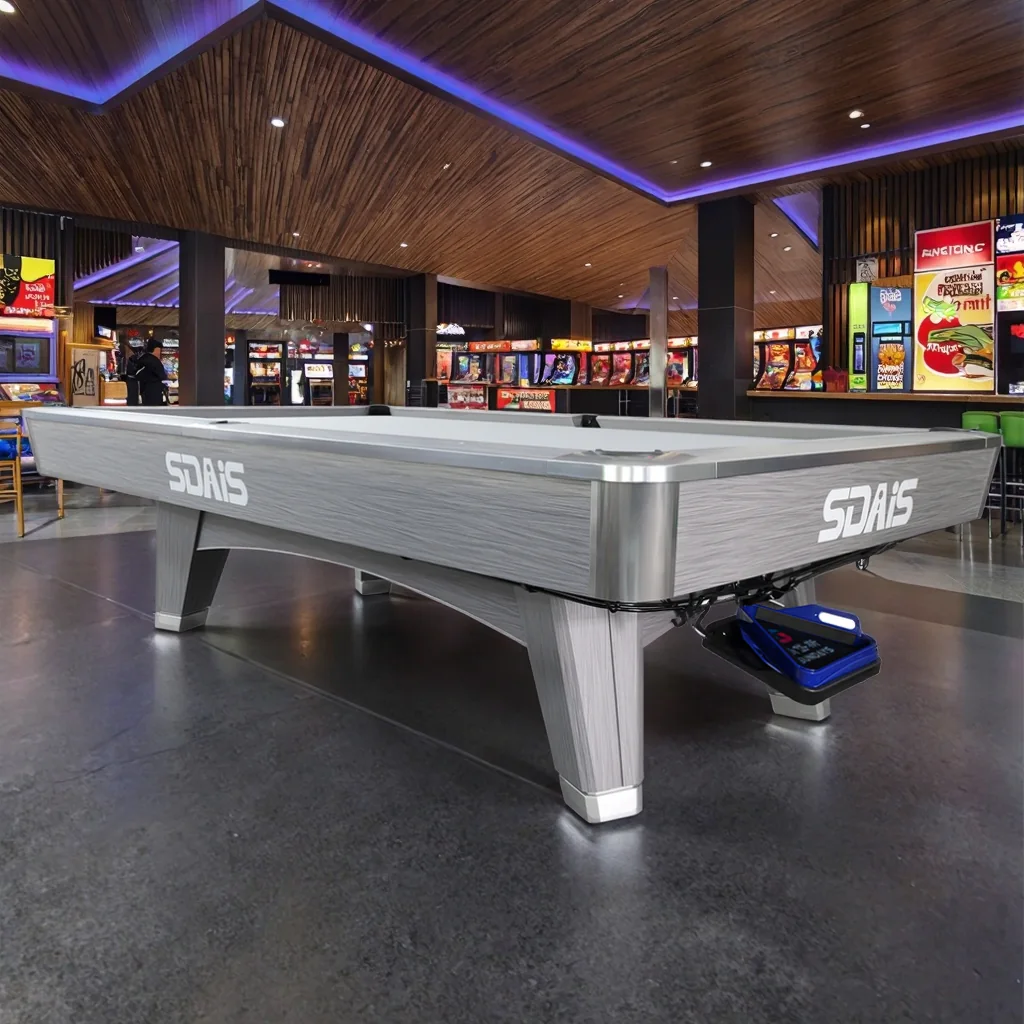
A delivery inspection is different from a final playing test. Receiving staff document what arrived; an installer checks assembly and leveling; the buyer confirms the agreed configuration. Separating those tasks helps prevent missing items or transit damage from being discovered only after the table is built.
Match package labels to the packing list, photograph the shipment before unpacking, record visible damage and count components before assembly. Stop work on damaged structural parts and ask the supplier and carrier for the next steps.
Prepare a receiving record before the truck arrives
Keep the order number, approved model, packing list and delivery contact available. Assign one person to record package labels and another to coordinate unloading. Confirm safe handling equipment and a dry storage location with the installer. Slate and heavy table components require suitable handling; do not improvise a lifting method from a product photograph.
Create a record with package number, expected contents, received quantity, condition, photograph filename and action owner. Preserve original files so the sequence of arrival, unloading and unpacking remains clear. Review the shipment-specific reporting procedure before delivery rather than assuming there is one universal claim deadline.
Inspect in this order
| Stage | What to record | Action when something differs |
|---|---|---|
| Before unloading | Package count, labels and visible exterior damage | Photograph and record the discrepancy with the delivery contact |
| During unpacking | Packaging condition and component identity | Keep packaging and label photographs together |
| Before assembly | Rails, frame, slate, hardware and accessory count | Separate questionable components; ask for instructions |
| After assembly | Leveling, seams, pocket/return operation and installed finish | Record installer observations against the approved specification |
What to do when you find damage or missing parts
Photograph both the full component and the affected area, including its label or position in the shipment. Describe what is visible rather than guessing when or how the damage occurred. Send the packing-list reference, quantities and photographs through the contact channel stated in the order.
Do not cover a suspected slate defect, modify a damaged structural component or discard relevant packaging while waiting for instructions. Ask the supplier and carrier which further evidence they need and record who will arrange replacement, inspection or another remedy. Responsibilities depend on the purchase and freight terms; this checklist does not replace those terms.
Keep receiving and playing acceptance separate
An intact crate does not prove that the assembled table meets the agreed playing specification. After professional assembly, record the installer’s leveling checks, seam work and operation of pockets or ball-return components. If lighting is included, check the supplied controls and electrical arrangement according to the manufacturer’s instructions.
Keep an open-items list with an owner and agreed next step for each issue. File the completed handover record with the approved configuration, packing list and spare-part references. For model selection, see the X5 versus X6 buyer comparison; for delivery preparation, review shipping information.
Frequently asked questions
Should I assemble a table with suspected structural damage?
Pause work on the affected components and ask the supplier and installer for instructions before proceeding.
Does this checklist set a claim deadline?
No. Follow the reporting requirements in your purchase, carrier and insurance documents.
What should I photograph first?
Record the shipment labels, package count and exterior condition before unpacking, then photograph components and any discrepancies.